News
World Malaria Day 2026
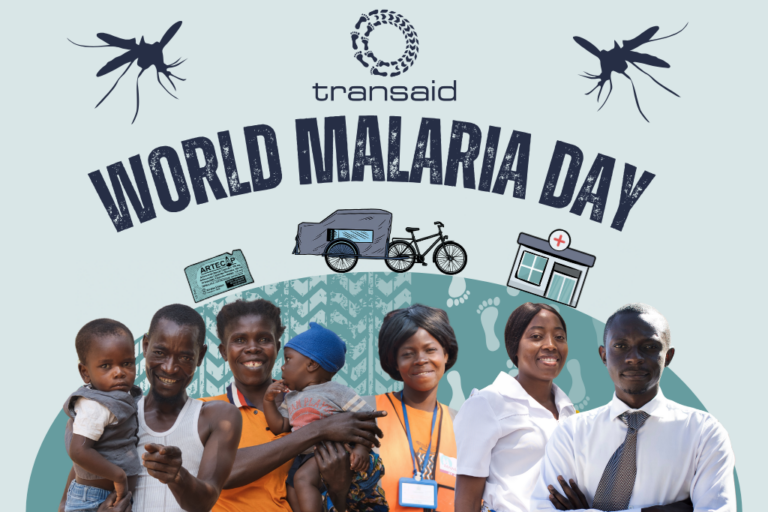
World Malaria Day 2026 comes at a critical moment in the fight against one of the world’s deadliest diseases. Under the theme ‘Driven to End Malaria: Now We Can. Now We Must.’, the global community is urged not just to recognise progress, but to act with renewed urgency to sustain it.
The United Nations has set a target to end the epidemics of malaria, AIDS, and tuberculosis by 2030 under Sustainable Development Goal 3.3. While progress has been made, it remains fragile.
Why urgent action matters
- 610,000 malaria deaths globally in 2024 — a slight increase on 2023
- 95% of global malaria deaths occur in sub-Saharan Africa
- Nearly every minute, a child under five dies of malaria, often far from care
Statistics from the World Health Organization (WHO).
At the same time, the global funding landscape is becoming increasingly challenging. Significant reductions in key funding streams, including cuts to USAID-PMI and a ~20% shortfall in the Global Fund’s replenishment, are placing malaria programmes under growing pressure. As investment in prevention and health systems declines, more children are at risk of severe malaria, especially in remote communities.
Our commitment
Working alongside partners, we continue to strengthen community-based systems that connect children to life-saving care. This includes supporting the implementation of pre-referral rectal artesunate (RAS), a proven pre-referral intervention that can stabilise a child with severe malaria and buy critical time to reach further care. In 2025, Transaid and Medicines for Malaria Venture (MMV) launched new guidance to support countries to implement community-based RAS (C-RAS) safely and effectively as part of a complete continuum of care.
However, progress is not guaranteed. Without sustained investment and coordinated action, gains made over the past two decades could be reversed.
This World Malaria Day, Transaid is calling for renewed commitment to ending malaria, by sharing stories, insights, and evidence that show both what is possible, and what is at risk if we fail to act now.
Stories from our malaria programmes
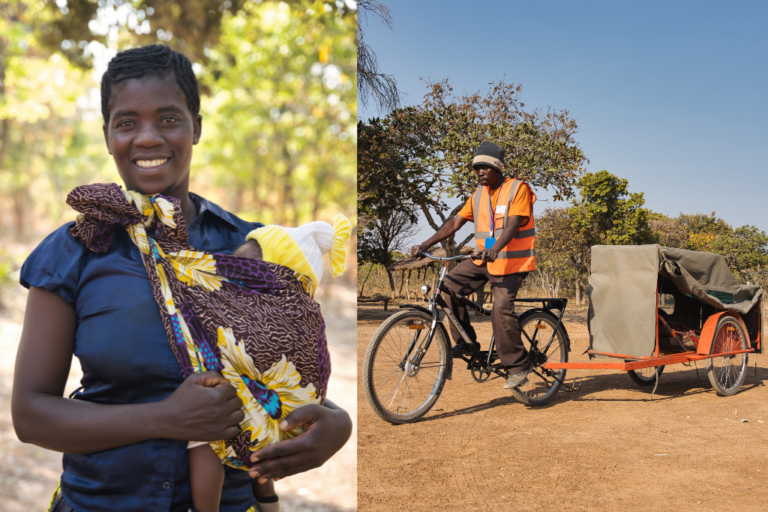
These stories highlight the life-saving impact of C-RAS. Dr. Haachile Moonga, District Director of Health Services, Serenje District, explains how the approach is reducing deaths. Beatrice Kwadzai, Acting In-Charge at Mulaushi Rural Health Post, shares how it helps health workers treat children faster and more effectively. Prisca Chalwe, an emergency transport system (ETS) rider, reflects on how it saved her child’s life, and why she continues to volunteer. Owen Junior and his cousin Gracious show how a bicycle ambulance, an emergency transport system in the C-RAS approach, can mean the difference between life and death.
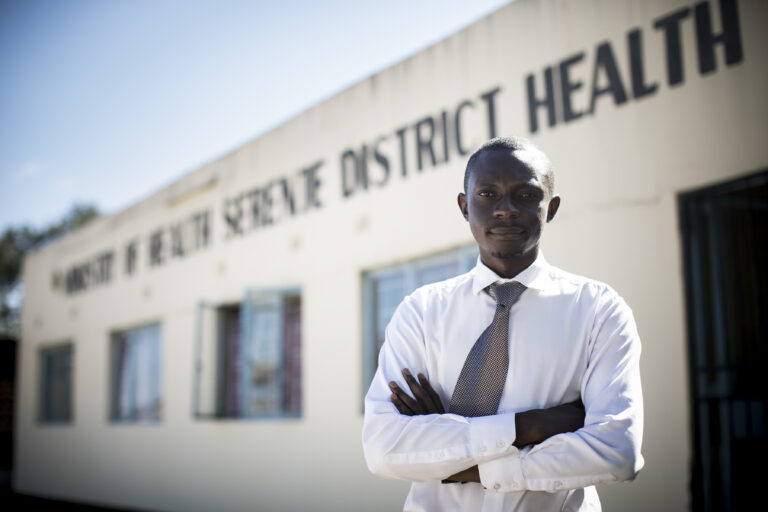
Dr. Haachile Moonga, District Director of Health Services, Serenje District, Zambia
In 2023, 76% of all malaria deaths in the WHO African region were among children aged under 5 years.
In this thought piece, Dr. Haachile Moonga, District Director of Health Services, Serenje District, Zambia, highlights how community-based approaches are reducing deaths from severe malaria, from early diagnosis at community level to emergency transport systems and pre-referral rectal artesunate (C-RAS).
“Severe malaria progresses quickly, especially in young children. A child can deteriorate within hours, and if treatment is delayed, the outcome can be tragic. RAS begins working quickly against the malaria parasite and has a half-life of around 12 hours. This means the child receives life-saving treatment while arrangements are made to transport them to a health facility.
“Without the volunteer recognising severe malaria, administering RAS, and triggering the transport system, many of these children might never reach the facility in time.”
With global malaria funding under increasing pressure, sustained investment from partners is more important than ever. As Dr. Moonga says: “When we have so many helping hands that are willing to play a part, then the future is bright.”
Read Dr. Moonga’s full thought piece here.
Download Transaid and partners’ C-RAS implementation guidelines.
Beatrice Ngwadzai, Acting In-Charge at Mulaushi Rural Health Post, Chitambo District, Zambia
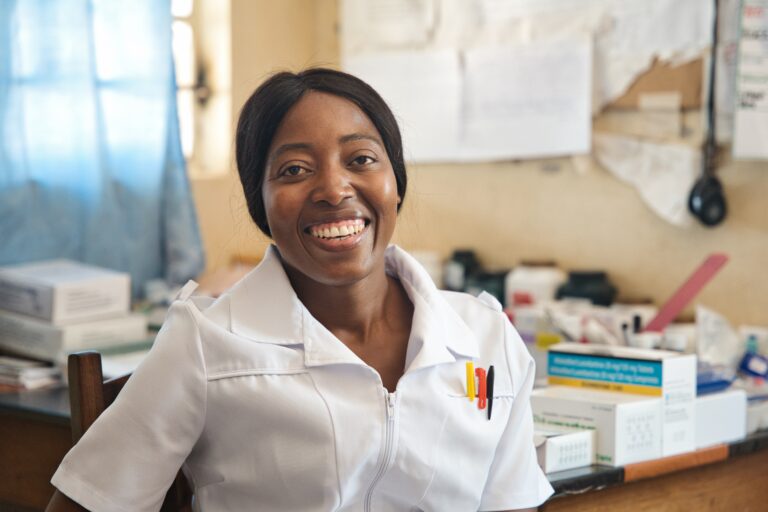
At Mulaushi Rural Health Post, Chitambo District, Zambia, Acting In-Charge Beatrice Kwadzai has seen how bridging the “last mile” through community-based transport solutions can often mean the difference between life and death.
Beatrice’s journey into healthcare was shaped by the realities she witnessed in her community. “What inspired me was the cases that I saw… especially children with severe malaria and maternal health emergencies,” she explains.
The introduction of bicycle ambulances through Transaid and partners’ MAMaZ and MAM programmes has been transformative. Community Health Volunteers (CHVs) and trained riders now play a critical role in identifying symptoms early and facilitating rapid referrals.
“Healthcare is supposed to start from the community because while we’re in the facility, they are our eyes. They can move around the community, they are respected, and so they can identify challenges and any patients that need to be brought here.”
Read Beatrice’s full interview.
Owen Junior and Gracious’s story
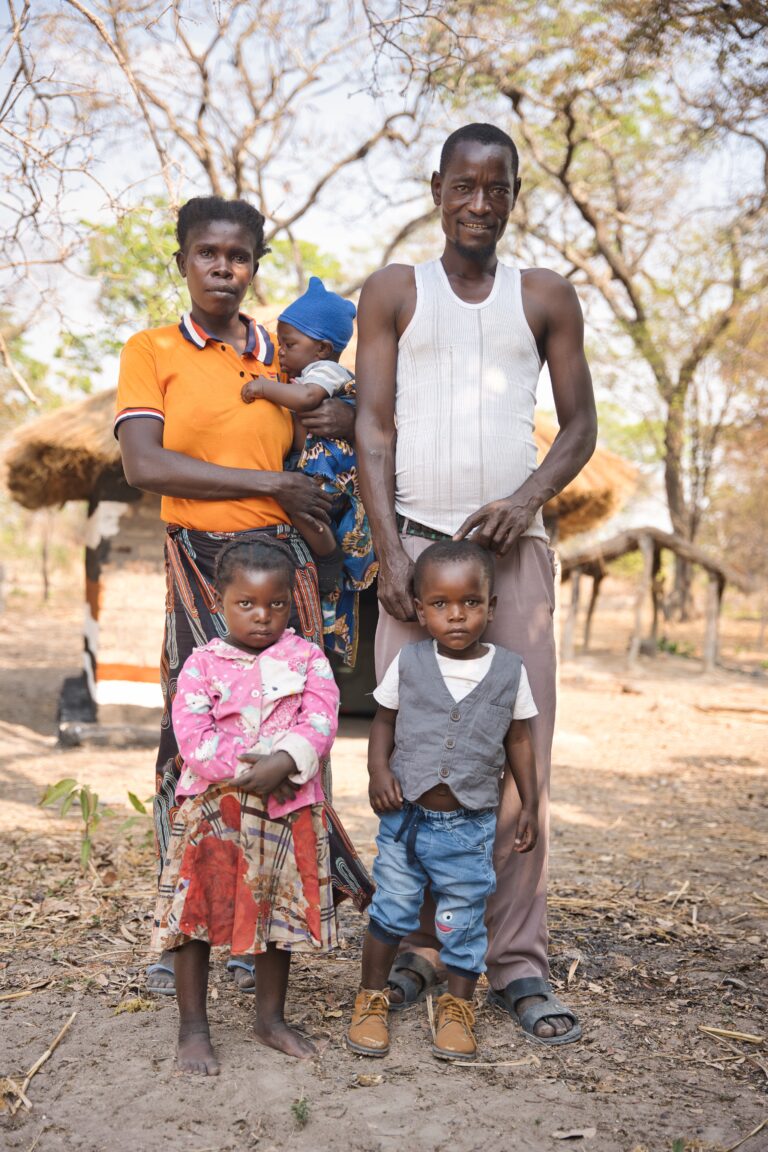
In the early hours one morning, Owen Chumbu and Martha Nambeya noticed that their son Owen Junior had developed a very high fever. Hours later, his condition worsened and he began fitting. Owen recalls: “We knew that this is a serious problem and we needed to see a health worker. So we called on the emergency transport system (ETS) rider to help us.”
A volunteer rider arrived with the community bicycle ambulance, and Owen Junior was quickly transported to Mpelembe Rural Health Facility. At the facility, health workers treated him for severe malaria. Thanks to the rapid response, Owen Junior made a full recovery.
Owen Junior’s illness was not the first time the family relied on the service. Martha recalls several occasions when her niece Gracious also needed urgent care, following symptoms of high fever and fitting. Martha says, “Based on what the community volunteers have told us, we quickly came to seek the help of the rider who quickly took Gracious to the facility.”
Owen says, “The bicycle ambulance has really helped us because some of us do not have a bicycle, so it makes it very difficult for us to go to the facility, which is far from here. The bicycle
ambulance helps us to transport our children and our loved ones whenever they are sick.”
Read their full story.
Prisca Chalwe: Saving lives with a bicycle ambulance
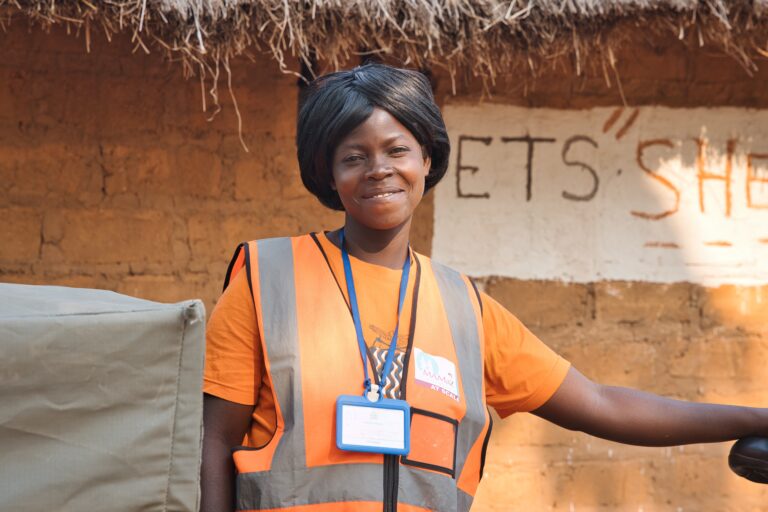
As a bicycle ambulance rider and Safe Motherhood Action Group member, Prisca Chalwe plays a critical role in connecting her community of Kate in Chitambo District, Zambia, to essential health services. Her story is one of service, and also deeply personal.
Prisca’s journey began in 2019, when she volunteered to join the Safe Motherhood Action Group after recognising a pressing need in her community: “I’ve seen significant reduction in maternal mortality as well as malaria mortality. This has encouraged me to continue volunteering.”
“So, let me start with myself – my own child,” she shares. “I saw the signs and symptoms of severe malaria, and I used the bicycle ambulance. I put him on the bicycle ambulance and left for the health facility where my child was attended to. And he’s better now, he’s OK.”
Prisca’s dual perspective as both an ETS bicycle ambulance rider and a mother powerfully illustrates how community-led healthcare saves lives. In her community, care begins with awareness and education, is strengthened through accessible transport, and continues with timely treatment at a health facility. This continuum of care ensures that patients, especially children with severe malaria, receive life-saving interventions when they need them most.
Read Prisca’s full interview.
Jim Haldane: Memories of Zambia
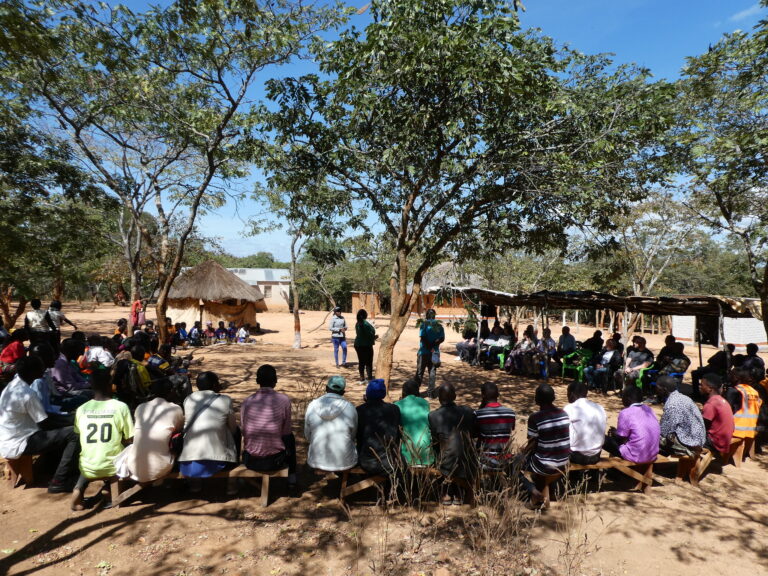
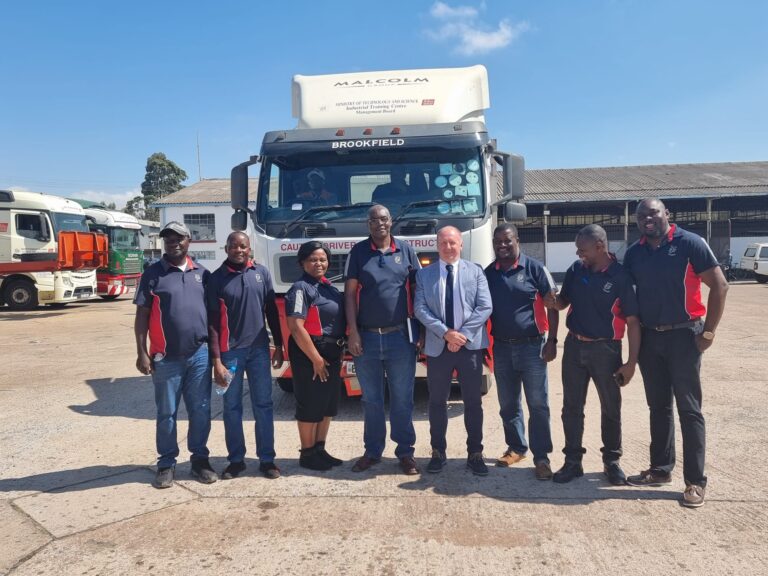
The Malcolm Group has partnered with Transaid since 2014, providing exceptional support to Transaid through secondments, vehicle donations, prize donations, taking part in cycle challenges, supporting our Christmas Appeal, and more.
In May 2024, Jim Haldane, Malcolm Logistics Divisional Managing Director, visited Transaid’s access to healthcare and road safety programme in Zambia to learn more about our work first-hand.
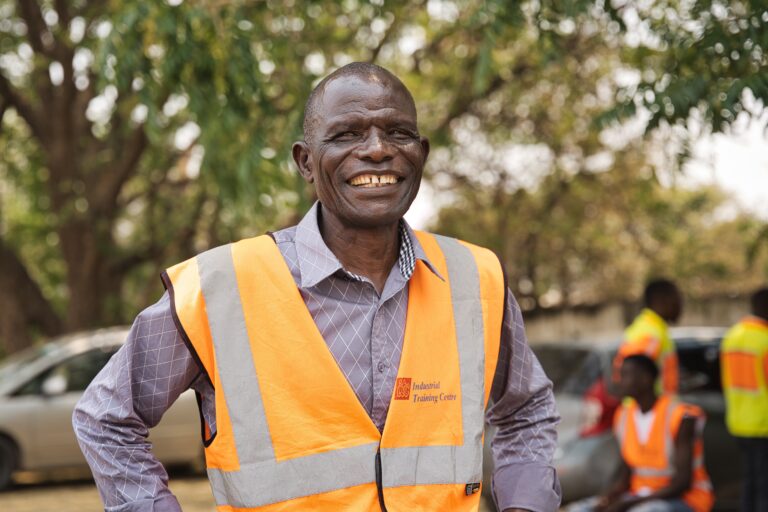
“The experience overall was emotional, humbling and eye-opening and I am grateful for the opportunity. I cannot describe the overwhelming kindness and appreciation demonstrated by the communities I visited, and the inspiring people I met – medical professionals, community volunteers, ITC colleagues and students in training, all doing amazing work to improve lives.
“There is no substitute for having seen first-hand the challenging and impactful work of Transaid and their UK partnerships. I know that these lasting memories of Zambia will certainly drive me to continue our support for life-saving malaria programmes and raising awareness of their importance.”
Recent Posts

Programme Partners



Corporate Partners