Make a Donation
Our programmes rely on supporters like you
How your support makes a difference
Improving access to healthcare
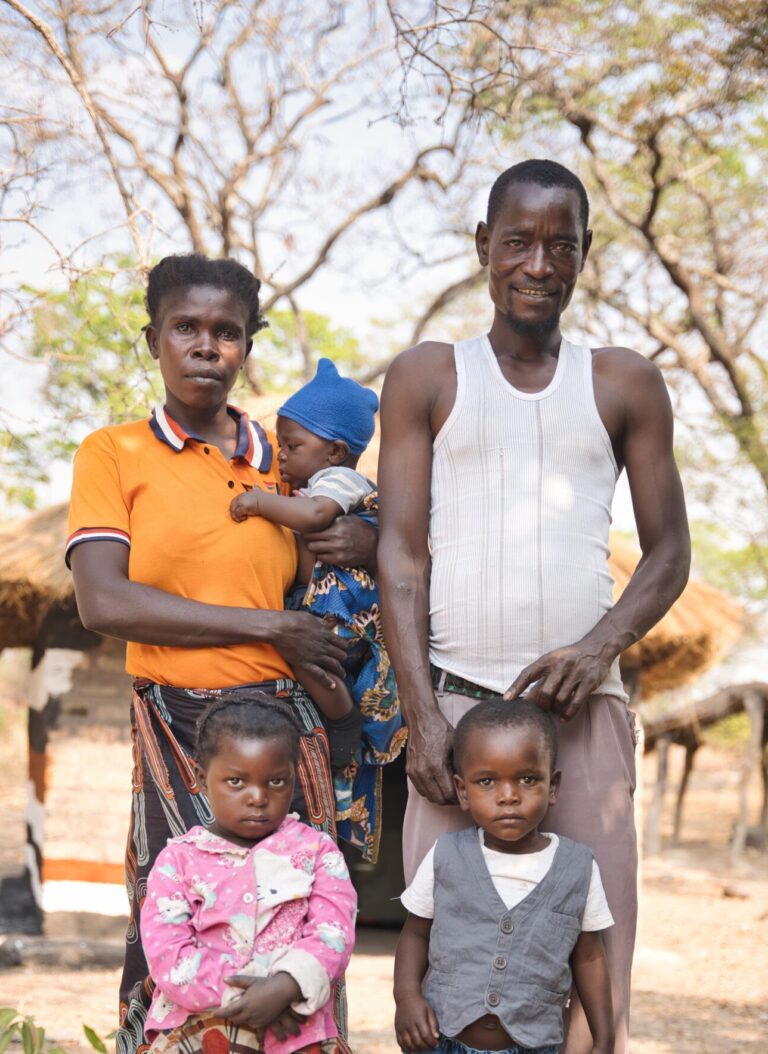
This is Owen, Martha, their son Owen Jr, and their niece Gracious.
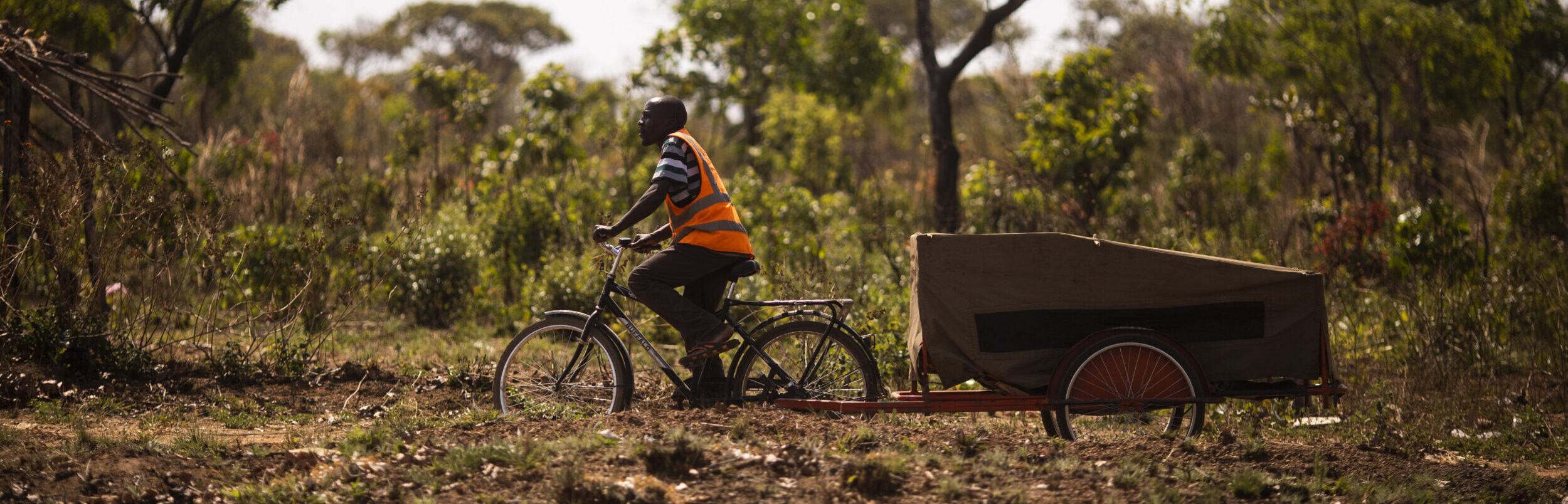
When Owen Jr and Gracious fell ill with malaria, getting them to a health facility quickly was critical. Thanks to the support of people like you, a bicycle ambulance was available to take them for treatment.
In many communities, reaching healthcare can be extremely difficult. As Owen explains:
“Some of us don’t even have a bicycle, so it’s very hard to reach the health facility, which is far from here. The bicycle ambulance helps us transport our children and loved ones whenever they are sick and need treatment.”
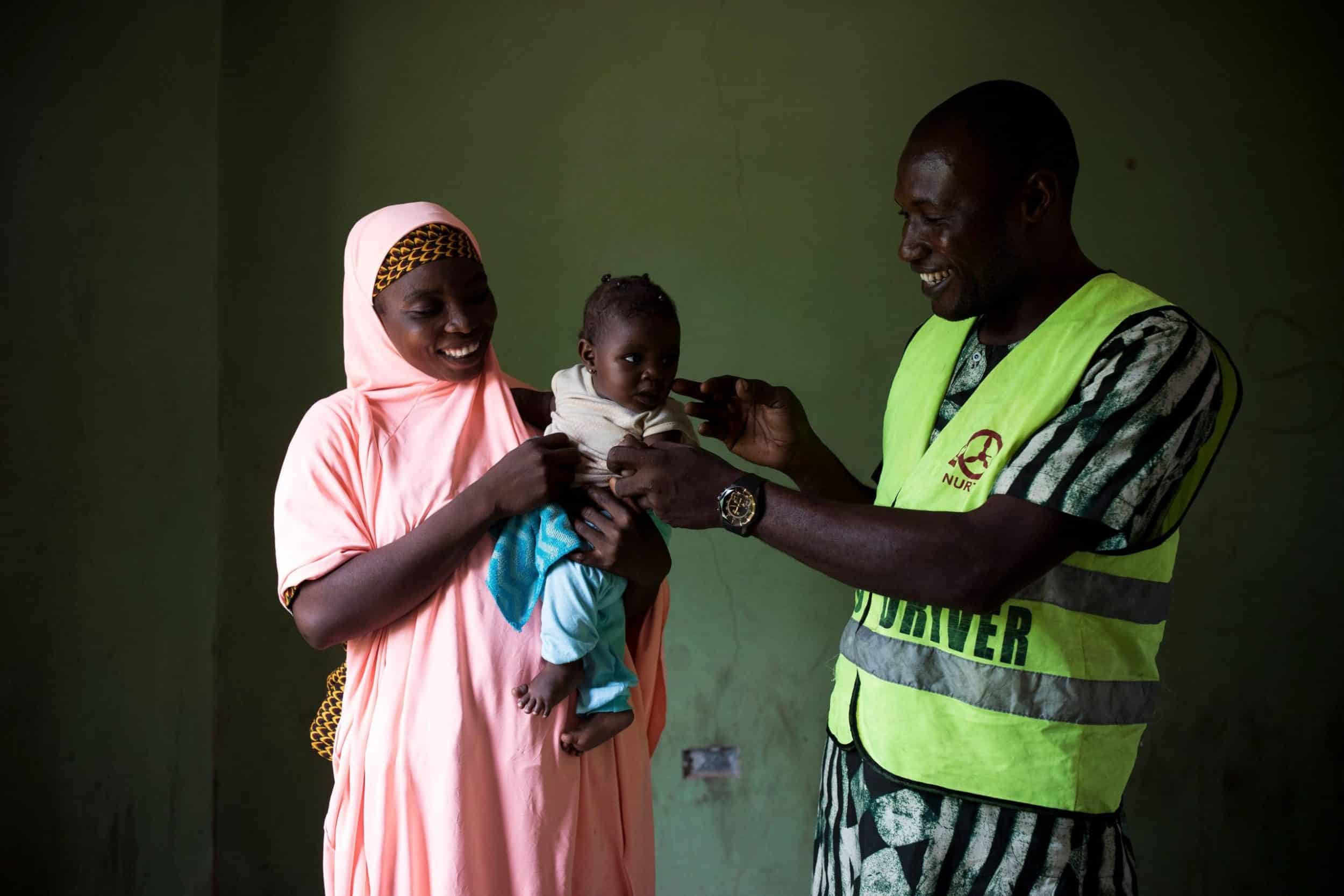
Improving road safety
Growing up, Sharon Kinyatta loved watching her father drive. Sitting beside him on the way to school sparked a passion that would shape her future.
Through Transaid-supported training at the Safe Way Right Way Driver Training Centre, Sharon gained the skills and confidence to drive heavy goods vehicles safely on Uganda’s busy roads.
“I intend to become one of the most competent drivers in Uganda, and to prove that driving HGVs is possible for everyone.”
With your support, more women like Sharon can gain life-changing skills, build careers in transport, and help make roads safer for everyone.

1.19 million
people die on the world’s roads every year.
The African Region is the only region worldwide to see an increase in road traffic deaths – up by 17% from 2010 to 2021.
Nearly every minute
a child under the age of 5 dies of malaria.
*in our MAMaZ Against Malaria programme (MAM@Scale) in Serenje District, Zambia
Other ways to donate
Payroll Giving or Give As You Earn is a flexible scheme for UK income tax payers to donate regularly and on a tax free basis to the charities of their choice.
Donations are deducted BEFORE tax so each £1.00 you give will only cost 80p (or 60p if you are a higher rate tax payer). The deficit is picked up by HMRC.
More information for employers here.
For more details, please fill out the form.
If you would like to leave a gift in memory of a loved one, you can do so by filling in the form.
This is a personal choice, and we truly appreciate your support.
Please contact us if you would like to discuss further.
If you would like to leave a gift to Transaid in your will, you can do so by including us in your plans. Your generosity will help support our vital work for years to come.
Please contact us if you would like to discuss further.
Help us transform lives straight from your phone! Make a single or regular text donation using the following codes.
Make a single text donation
Text TRANSAID to 70450 to donate £10
Texts cost £10 plus one standard rate message and you’ll be opting in to hear more about our work and fundraising via telephone and SMS.
To change the donation amount, just add the desired amount after ‘TRANSAID’, for example, ‘TRANSAID 20’.
If you’d like to give £10 but do not wish to receive marketing communications, text TRANSAIDNOINFO to 70450.
Make a regular donation by text
Text TRANSAIDREG to 70450 to donate £5 monthly
Texts cost £5 plus two standard rate messages and you’ll be opting in to hear more about our work and fundraising via telephone and SMS.
To change the donation amount, just add the desired amount after ‘TRANSAID’, for example, ‘TRANSAID 10’.
If you’d like to give £5 but do not wish to receive marketing communications, text TRANSAIDREGNOINFO to 70450.