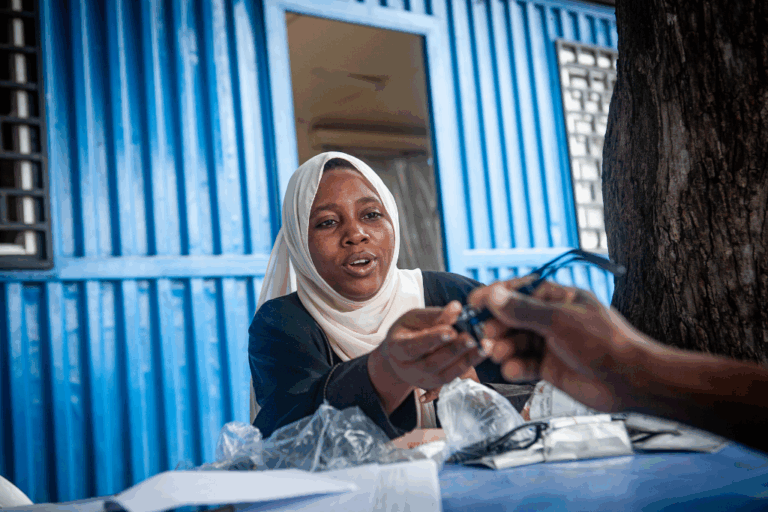
Meet Asha Mongale, Jomvu Wellness Centre Clinician
21st August 2025
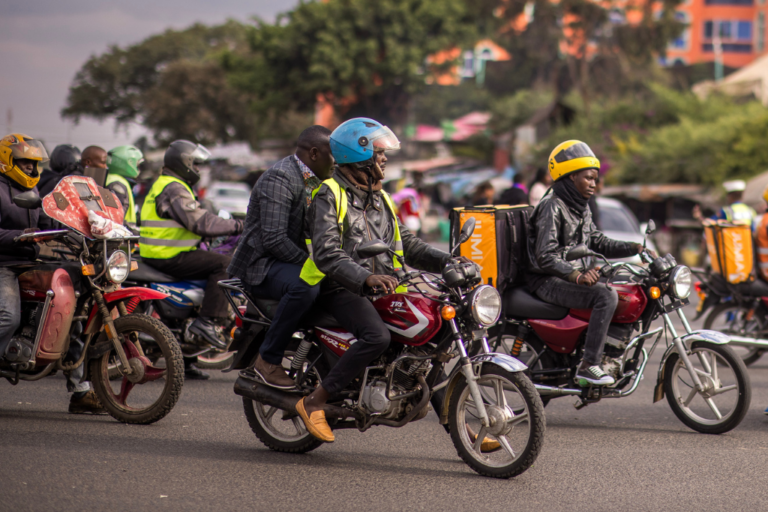
Stretching more than 1,700 kilometres west from Mombasa, the Northern Corridor is a vital artery for regional economic integration across East and Central Africa. It enables the movement of goods between Kenya and several landlocked countries, including Uganda, Rwanda, South Sudan, Burundi, and the Democratic Republic of Congo. Serving as the eastern gateway to the corridor, the Port of Mombasa handles over 70% of the region’s cargo, around 35 million metric tonnes each year.
High freight volumes and reliance on long-distance road transport along the corridor present health and safety risks, especially for drivers and roadside communities. According to the National Transport and Safety Authority road traffic fatalities along the corridor rose by 64% between 2019 and 2020, while the World Health Organization (2023) identifies traffic crashes as the leading cause of death among individuals aged 15 to 29 years in sub-Saharan Africa, hitting one of the most economically active groups hardest.
The Madereva Zaidi Salama project
The safety and wellbeing of professional drivers are central to improving road safety. For over two decades, Transaid and its partners have worked to strengthen this link, promoting driver health, and reducing the perceived and real barriers to accessing healthcare services. Transaid’s long-standing presence in the region has fostered trust and strengthened ties with the transport sector, enabling it to support transporters and their drivers, and respond quickly to new and emerging health and safety challenges.
Between October 2024 and March 2025, with support from the Lloyd’s Register Foundation, Transaid partnered with North Star Alliance to deliver targeted road safety and health information to professional truck drivers. Consultations with Kenyan transporters and input from Transaid’s UK supporter network informed the creation of two driver-focused factsheets.
The first promoted HIV/AIDS testing, treatment, and counselling available through North Star Alliance, while the second addressed cargo security, building on lessons from a similar initiative launched at the start of the COVID-19 pandemic. In just over three months, more than 1,700 factsheets in Swahili and English were distributed in print, with a further 4,000 shared via WhatsApp.
During the same period, footfall at two North Star Alliance Wellness Centres increased by 104% and 108% respectively. These centres provide primary health care services for truck drivers and the communities they engage with offering screenings for non-communicable diseases such as diabetes, hypertension, and cardiovascular conditions.
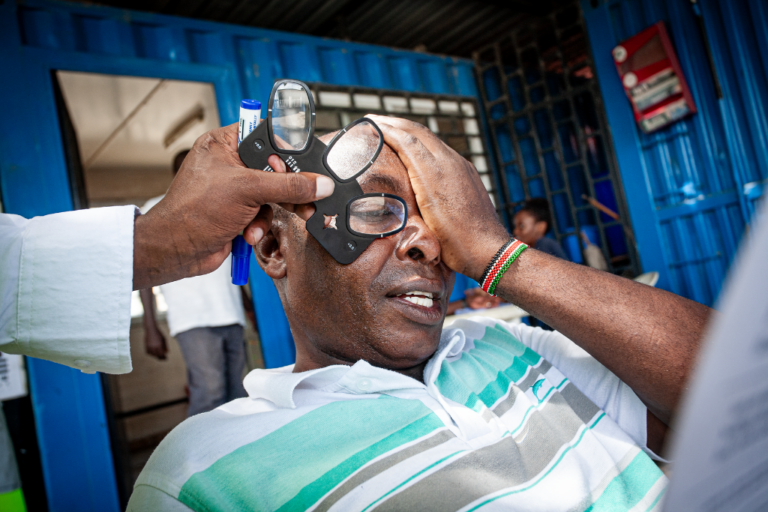
During this outreach, many drivers reported eyesight problems and irritation caused by long hours behind the wheel. Less than two months later, with support from the Gibbs and Morel Family Trusts, Transaid, in partnership with North Star Alliance, launched a second initiative to provide eye health screenings. A total 4,107 drivers and residents of roadside communities were screened, of which 971 (24%) were prescribed glasses and 110 (3%) were referred to a specialist clinic for further evaluation and treatment.
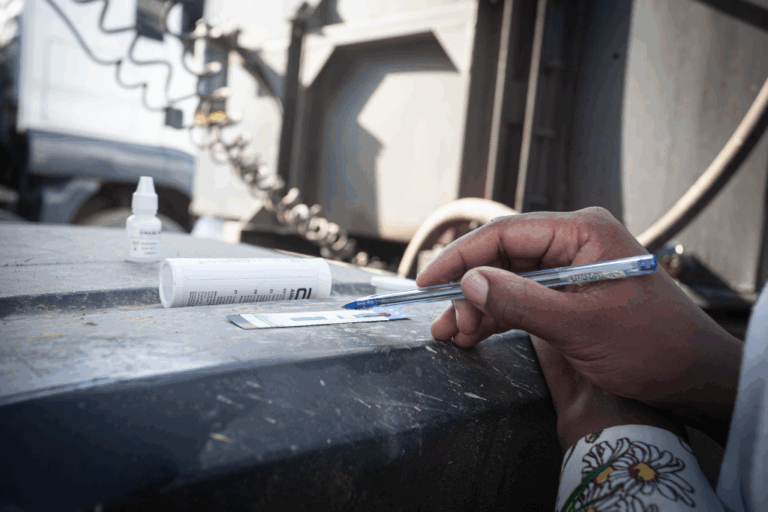
An HIV test conducted in a truck rest stop.
Asha Mongale’s story
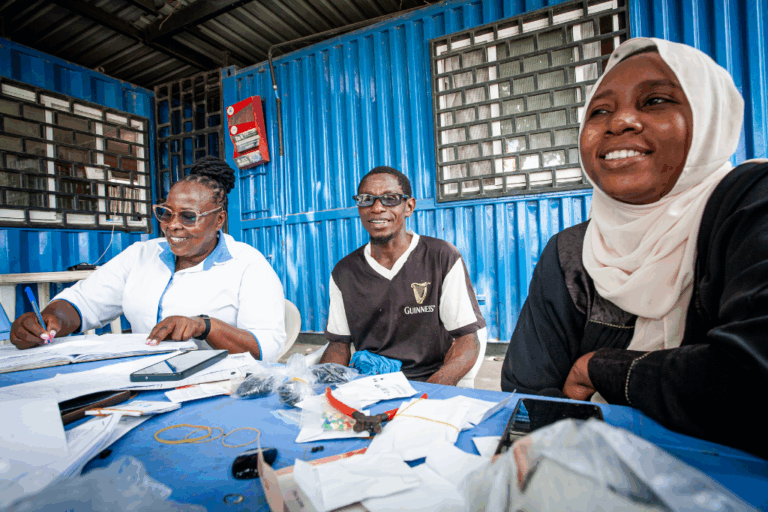
Eight clinicians from North Star Alliance were trained to conduct eye health assessments in pop-up consultation rooms at two roadside Wellness Centres. Among them was Asha Mongale who joined the team in July 2024 and soon took charge of patient services. Her clinical duties include assessing, triaging, and screening visitors for a range of health concerns. Truck drivers frequently visit the Centres to maintain regular access to medicines and health care services, including antiretroviral drugs. This is especially important during long-distance or cross-border work, which can keep them away from home for extended periods, making it otherwise difficult to access health care.
Asha, like her colleagues, knows many of them by name, which she believes helps them open up and share information in confidence.
When assessing drivers, Asha begins with a few brief conversational questions before carrying out any tests or treatments. This approach, she explained, can reveal patterns and trends and sometimes even signal a possible outbreak. One recurring issue she has observed is frequent reports of eyesight problems.
“When I ask the drivers if they ever have trouble with their vision, they always say it’s difficult at night time, or following a long dusty road. When they wake in the morning, some say it takes a while for their distant sight to return. There is a common agreement among drivers that this is caused by exposure to the sunlight, which may be true. We tell them but there are solutions to support you.”
The Northern Corridor stretches east to west from the port, meaning drivers face the sun in their eyes at either sunrise or sunset. “Many drivers don’t even have sunglasses,” Asha adds, “drivers, especially the older ones, think wearing them is more about fashion than eye protection.”
For this project, Transaid and North Star Alliance partnered with DOT Glasses, an organisation specialising in easy-to-assemble eyewear for mobile workers and underserved communities. In addition to corrective lenses, tinted, photochromatic, and anti-glare options were provided, giving drivers optional protection from sunlight.
DOT Glasses’ modular design allows frames and lenses to be clipped together based on the patient’s prescription and fit. If the correct prescription is in stock, patients receive their glasses on the spot. Those requiring prescriptions not available on-site could collect their glasses at another Wellness Centre further along their route.
Thanks to the capacity Transaid has helped build within North Star Alliance, Asha and her colleagues are now at the forefront of addressing a critical data and knowledge gap in road safety across Africa. Although research specific to Kenya is limited, studies from other African countries shed light on the issue. In Cameroon, 15% of professional drivers reported having had an eye test, while 25% reported poor vision (Vofo et al., 2021). In Nigeria, the Federal Road Safety Corps raised concerns that up to 30% of truck drivers had impaired vision (Obi, 2019).
“I enjoy assembling the glasses and watching patients try them on for the first time,” she says as she clicks a lens into a new set of frames, “we can adjust them, so we always get the fit perfect. Many of the drivers like to walk to the front gate and look along the highway, lifting the glasses on and off their face. It might be the first time they are able to see such a long distance. They’re always smiling when they come back in.”